A cap is just the connector
When a bulb dies, the one thing that really matters is whether the new one will fit. The name for that is the cap (some shops say base or socket). It is the part that connects the bulb to the lamp, and it is printed on the old bulb and on the packaging as a short code like E27.
The code is less mysterious than it looks. The letter says how the bulb connects, and the number is a measurement in millimetres. E is for Edison screw, so E27 is a screw cap about 27 mm across and E14 is a smaller one about 14 mm across. GU means a twist-lock with two pins, and the 10 in GU10 is the distance between the pins in mm. G9 has pins 9 mm apart. B22 is a bayonet cap, 22 mm across, with two little pegs that lock into slots.
Try to fit a bulb
The five you will actually meet
| Cap | How it fits | Often found in |
|---|
| E27 | Screws in, about 27 mm | Table lamps, floor lamps, pendant shades |
| E14 | Screws in, about 14 mm | Small shades, candle-style bulbs, chandeliers |
| B22 | Push and twist, pegs lock in | Lamps in the UK and Ireland, and some other regions |
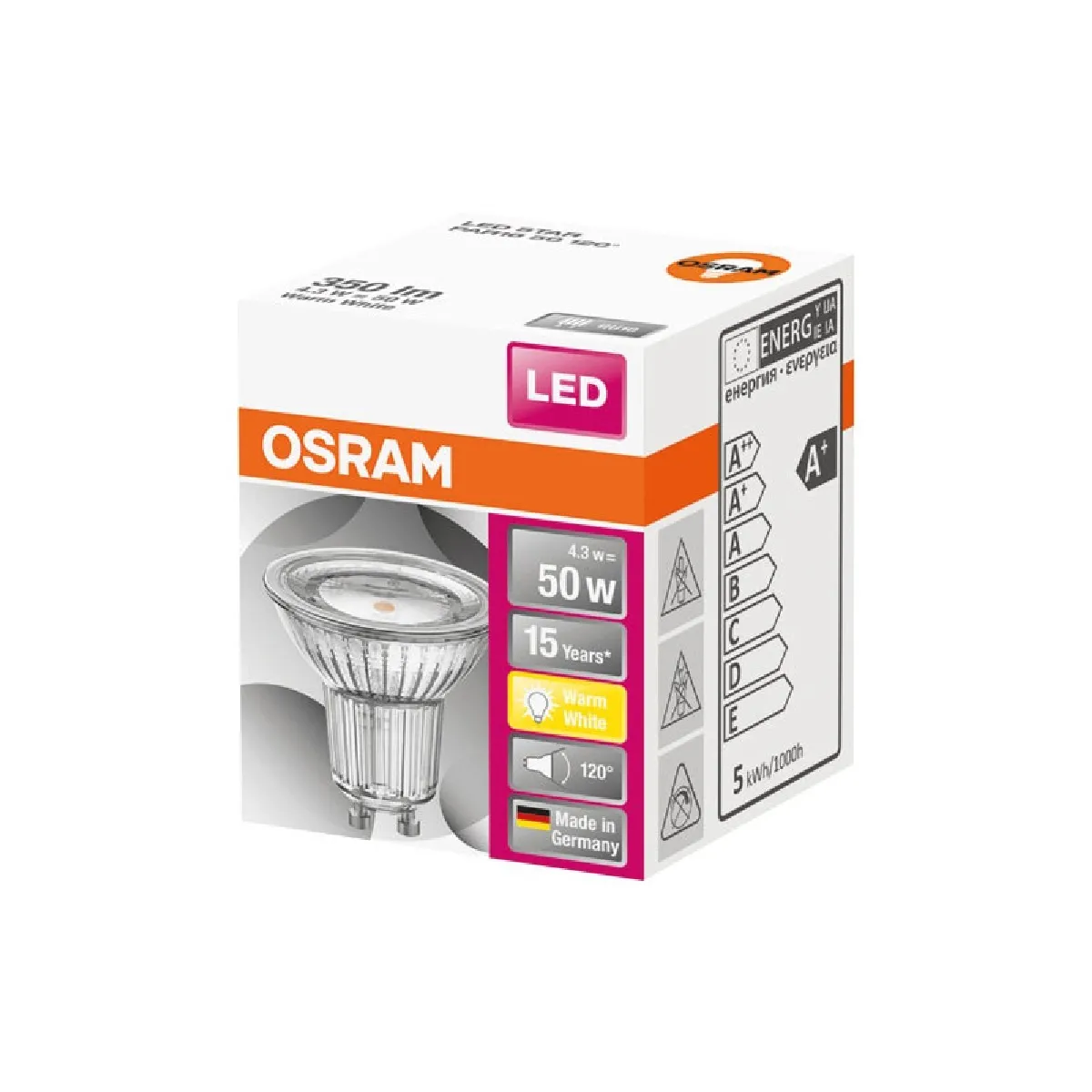
| GU10 | Push and twist, pins 10 mm apart | Spotlights, downlights, track lights |
| G9 | Pins push in, 9 mm apart | Small wall and ceiling lights |
Cap shapes vary by country and by decade, so an older lamp may not follow the pattern. Trust what is printed on your own bulb, not the table.
How to find out what you have
Start with the easy answer: read the old bulb. The cap code is usually printed on the glass or the base, and always on the box. If the bulb is gone or unreadable, take a photo of the empty socket and compare it with the drawings above. Screw sockets show a thread, bayonet ones show two small slots, and pin sockets show two holes.
If you still are not sure, measure. For a screw cap, measure across the outer ridges of the thread with a ruler or callipers. For pins, measure from the middle of one pin to the middle of the other. Type the number into the box above to see the closest match. Before touching anything, switch the lamp off, unplug it or switch off at the wall, and let the bulb cool. Take extra care with GU10 and G9 fittings, which often run straight from the mains. If the socket itself looks cracked, scorched or loose, that is a job for an electrician, not a new bulb.
What else decides if it works
The cap is only the first check. Once the bulb fits, look at three more things:
- Size and shape. A bulb that is too wide may not fit under a narrow shade or inside a closed glass fitting. Measure the space in cm if the shade is snug.
- The wattage label. Many lamps have a maximum wattage printed near the socket. LED bulbs use far less power than the old bulbs those labels were written for, so an LED will normally sit well under the limit.
- Warmth and dimming. A label of
2700 K or "warm white" gives the soft, cosy tone. If your lamp is on a dimmer, only use bulbs marked dimmable, and check the dimmer supports LEDs, or they may flicker or buzz.
It costs nothing to check the drawer first: spare bulbs, a lamp from a relative or a second-hand find often fit your sockets already. A small bulb costs roughly a few euros, so matching the cap is cheaper than replacing a lamp you like.
What to look for
- At any budget: the right cap code first, then warm white (around 2700 K), then a size that fits your shade.
- Lower budget: plain warm-white LED bulbs are enough. Check whether you need a multipack for several matching lamps.
- Middle: filament-style glass looks softer in a bare-bulb lamp. Check that it says dimmable if you use a dimmer.
- Higher: smart or tunable bulbs let you change warmth and brightness from a phone, but they need a compatible app, and some work best when the wall switch is left on.
What to buy, if anything
If your bulbs still work, buy nothing. If you need one, the examples below show three common caps at different budgets. They are examples, not tests: pick the one that matches the cap in your lamp.